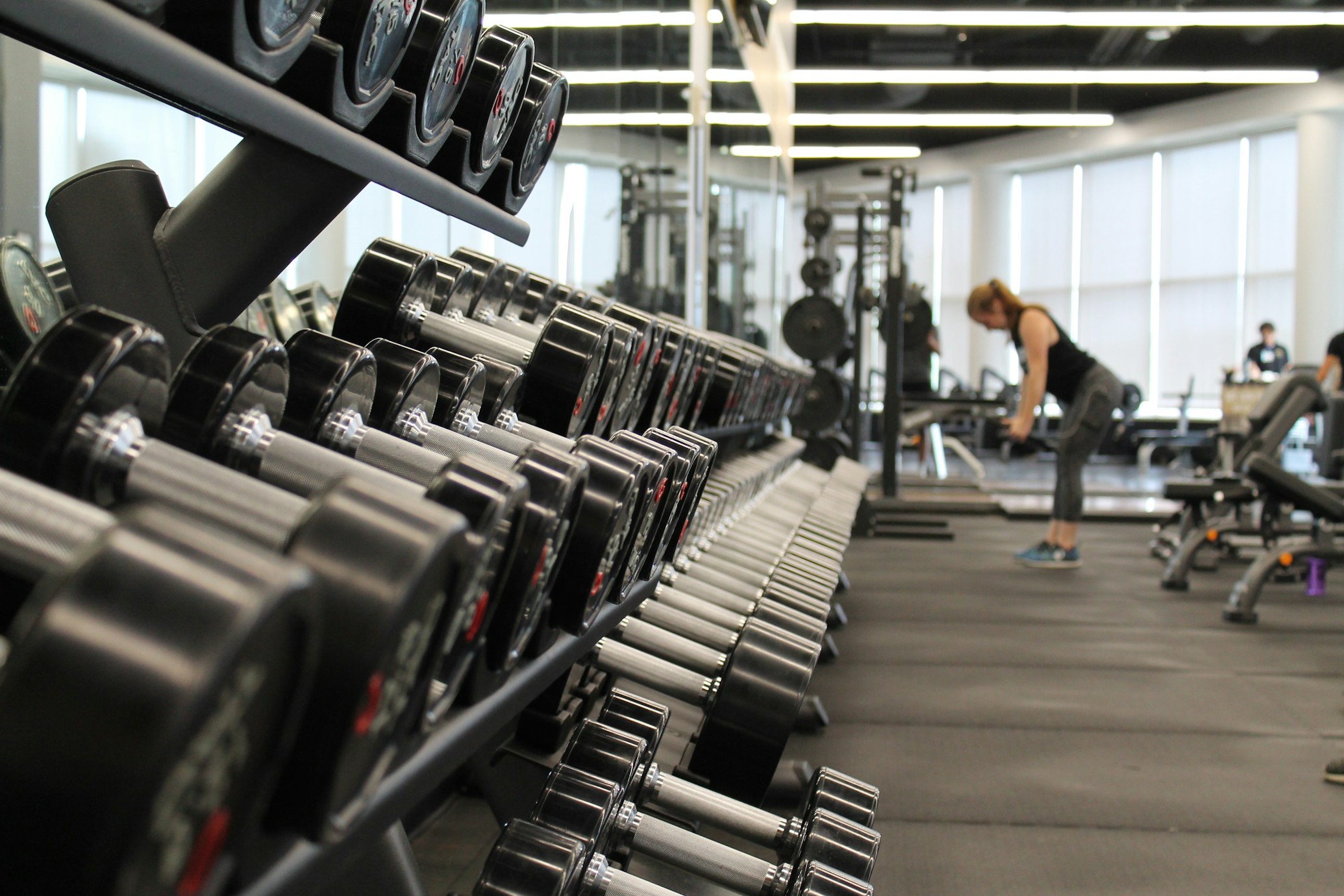
Starting a fitness journey can feel overwhelming, especially when surrounded by fitness influencers showcasing seemingly impossible physiques and complex workout routines. The truth is that everyone begins somewhere, and the most important step is simply starting. This comprehensive 2025 guide provides everything you need to know about getting into fitness as a complete beginner, from developing the right mindset to building sustainable habits that will serve you for life. Remember: fitness is a journey, not a destination, and every small step forward counts toward lasting health and wellness.
Developing the Right Fitness Mindset
Success in fitness begins with cultivating the proper mental approach rather than focusing solely on physical outcomes:
Embrace the Beginner Mindset
Starting fresh offers unique advantages:
- No bad habits to break: You're building positive patterns from day one
- Rapid initial progress: Beginners experience quick improvements in strength and endurance
- Fresh perspective: Approach to fitness without preconceived limitations
- Learning opportunity: Every workout teaches you something new about your body
Focus on Process Over Outcome
Shift attention from end results to daily practices:
- Consistency matters more than perfection: Showing up regularly beats intense sporadic efforts
- Small wins compound: Daily 1% improvements create dramatic long-term changes
- Identity transformation: Become "someone who exercises" rather than just losing weight
- Joy in movement: Find activities you genuinely enjoy rather than endure
Managing Expectations
Realistic understanding of the fitness journey:
- Progress isn't linear: Expect plateaus, setbacks, and varied results
- Results take time: Noticeable changes typically occur within 4-8 weeks
- Focus on feelings: Energy levels, mood, and confidence often improve before physical changes
- Comparison is harmful: Everyone's body responds differently to training
Initial Health and Fitness Assessment
Understanding your current state helps create appropriate starting points and safety measures:
Medical Consultation
Essential health screenings before beginning:
- Basic physical examination: Blood pressure, heart rate, and general health check
- Cardiovascular assessment: Especially important for those over 35 or with risk factors
- Medication review: Some medications affect exercise response and safety
- Chronic condition management: Diabetes, heart disease, or other conditions requiring special considerations
Basic Fitness Baseline
Simple assessments to track progress:
- Resting measurements: Weight, body measurements, and how clothing fits
- Basic movement tests: Can you perform 10 bodyweight squats with good form?
- Cardiovascular capacity: How long can you walk briskly without stopping?
- Flexibility assessment: Basic range of motion in major joints
Risk Factor Identification
Areas requiring special attention:
- Joint issues: Previous injuries or chronic pain conditions
- Balance concerns: History of falls or stability issues
- Cardiovascular risks: Family history of heart problems
- Mobility limitations: Reduced range of motion or stiffness
SMART Goal Setting for Beginners
Specific, achievable goals create structure and motivation without setting yourself up for disappointment:
Process-Based Goals (Focus Areas)
Activities you control regardless of outcome:
- Weekly consistency: Exercise 3 days per week for 4 weeks straight
- Learning objectives: Master proper squat technique before increasing weight
- Habit formation: Create a pre-workout routine that takes less than 10 minutes
- Movement goals: Increase walking duration by 5 minutes each week
Realistic Time-Based Outcomes
Healthy progress expectations by timeline:
- Month 1-2: Focus on establishing regular exercise patterns (3-4x weekly)
- Month 3-4: Improve current abilities and add variety
- Month 5-6: Set modest measurable targets (like walking for 30 minutes continuously)
- Beyond 6 months: Gradually increase intensity and complexity
Non-Scale Victories
Important progress indicators beyond weight:
- Energy improvements: Better stamina for daily activities
- Sleep quality: More restful sleep and easier waking
- Mood enhancement: Improved stress management and emotional regulation
- Clothing fit: Noticeable differences in how clothes feel
Best Starting Activities for Beginners
Choose activities that are accessible, enjoyable, and appropriate for your current fitness level:
Walking Programs
The most accessible and beneficial starting point:
- Beginner progression: Start with 10-15 minutes, gradually increase to 30+ minutes
- Frequency: 5-7 days per week for cardiovascular foundation
- Intensity variations: Easy walking, brisk walking, and gentle inclines
- Benefits: Improves cardiovascular health, bone density, and mental wellness
Bodyweight Foundation
Building strength without equipment:
- Basic movements: Wall push-ups, chair-assisted squats, modified planks
- Progression path: Master form before increasing difficulty or repetitions
- Frequency: 2-3 sessions per week with rest days between
- Focus areas: Core stability, basic strength, and movement confidence
Swimming and Water Activities
Low-impact options for joint protection:
- Beginner-friendly: Water walking, gentle swimming, or water aerobics
- Joint benefits: Zero impact stress while building cardiovascular fitness
- Accessibility: Many community centers offer affordable options
- Progression: Start with 10-15 minutes and gradually increase duration
Gentle Yoga and Stretching
Improving flexibility and mind-body connection:
- Beginner classes: Chair yoga, gentle stretching, or basic yoga flows
- Benefits: Improved flexibility, stress reduction, and body awareness
- Frequency: 2-3 times per week for mobility maintenance
- Progression: Hold stretches longer and explore more complex poses
Building Progressive Overload
Gradual increases in challenge ensure continued improvement while preventing injury:
Frequency Progression
Building exercise consistency safely:
- Week 1-2: 2-3 exercise sessions per week
- Week 3-4: Increase to 3-4 sessions per week
- Month 2-3: 4-5 sessions per week with active recovery days
- Ongoing: Listen to body signals and adjust accordingly
Duration Increases
Gradually extending exercise time:
- Start small: 10-15 minutes of continuous activity
- Weekly additions: Add 5 minutes every 1-2 weeks
- Target milestones: Work toward 30 minutes of continuous activity
- Quality over quantity: Focus on maintaining good form throughout
Intensity Modifications
Safe progression of exercise difficulty:
- Perceived exertion: Move from "easy" to "moderate" effort levels
- Heart rate monitoring: Gradually increase target heart rate zones
- Repetition progression: Increase bodyweight exercise repetitions slowly
- Resistance additions: Light resistance bands or small weights when ready
Nutrition Foundation for Fitness
Supporting your fitness journey with appropriate nutrition without restrictive dieting:
Basic Nutrition Principles
Fundamental eating guidelines for active beginners:
- Hydration priority: Drink water before, during, and after exercise
- Pre-exercise fuel: Light snack 30-60 minutes before activity
- Post-exercise recovery: Protein and carbohydrate within 2 hours of exercise
- Regular meals: Consistent eating patterns to maintain energy
Simple Pre-Workout Options
Easy fueling strategies that work for beginners:
- Banana with nut butter: Quick energy and sustained fuel
- Yogurt with berries: Protein and natural sugars for energy
- Whole grain toast: Complex carbohydrates for sustained energy
- Timing: Eat 30-60 minutes before exercise for optimal digestion
Recovery Nutrition
Supporting adaptation and muscle recovery:
- Protein sources: Eggs, Greek yogurt, lean meats, or plant proteins
- Carbohydrate replenishment: Fruits, whole grains, or starchy vegetables
- Timing window: Within 30-120 minutes post-exercise for optimal recovery
- Hydration focus: Replace fluids lost during exercise
Building Consistent Exercise Habits
Creating sustainable routines that become automatic behaviors:
Environmental Design
Setting up your environment for success:
- Equipment accessibility: Keep workout clothes visible and ready
- Space preparation: Designate exercise area in home or plan gym route
- Schedule integration: Link exercise to existing daily habits
- Technology support: Use apps, calendars, or reminders to stay on track
Behavioral Strategies
Psychological techniques for habit formation:
- Implementation intentions: "If it's 7 AM, then I will do 15 minutes of exercise"
- Streak building: Focus on consecutive days rather than total volume
- Reward systems: Non-food celebrations for reaching milestones
- Accountability partners: Share goals with supportive friends or family
Overcoming Common Barriers
Strategies for maintaining consistency despite challenges:
- Time constraints: Micro-workouts and activity integration throughout day
- Motivation dips: Focus on how exercise makes you feel rather than appearance
- Weather issues: Indoor alternatives and flexible scheduling
- Energy fluctuations: Adjust intensity based on daily energy levels
Injury Prevention and Safety
Protecting your ability to continue exercising long-term:
Proper Warm-Up and Cool-Down
Essential preparation and recovery practices:
- Dynamic warm-up: 5-10 minutes of gentle movement to increase blood flow
- Joint mobility: Gentle range of motion exercises for major joints
- Cool-down routine: Gradual reduction in intensity with stretching
- Recovery focus: Light movement to promote circulation and reduce stiffness
Form and Technique Focus
Prioritizing proper movement patterns:
- Start with basics: Master fundamental movements before progressing
- Mirror work: Check form in mirrors or record yourself
- Professional guidance: Consider personal trainer for technique foundation
- Listen to your body: Stop if movements cause pain or discomfort
Recovery and Rest
Allowing proper adaptation and preventing overuse injuries:
- Sleep priority: 7-9 hours for optimal recovery and performance
- Rest days: Schedule regular breaks between intense sessions
- Active recovery: Gentle movement on rest days promotes circulation
- Stress management: Chronic stress impairs recovery and increases injury risk
Tracking Progress and Adjustments
Monitoring improvements and making necessary modifications:
Simple Tracking Methods
Easy ways to monitor your fitness journey:
- Exercise log: Record activities, duration, and how you felt
- Photo documentation: Monthly progress photos for visual tracking
- Performance markers: Track improvements in specific exercises
- Wellness indicators: Energy levels, sleep quality, and mood changes
When to Increase Challenge
Signs you're ready for progression:
- Consistent completion: Easily completing current exercise routines
- Improved recovery: Faster return to baseline after exercise
- Increased capacity: Ready for longer duration or higher intensity
- Boredom signals: Seeking more challenge indicates readiness for progression
Adjustment Strategies
Modifying your approach based on progress and feedback:
- Plateau management: Change exercise variables when progress stalls
- Life circumstance changes: Adapt routine to new schedules or limitations
- Seasonal variations: Adjust activities based on weather and motivation
- Interest maintenance: Regular variety prevents burnout and maintains engagement
Frequently Asked Questions
How often should a complete beginner exercise?
Start with 2-3 days per week of exercise, focusing on consistency rather than intensity. As your fitness improves, gradually increase to 4-5 days per week. The key is establishing a sustainable routine that you can maintain long-term rather than achieving maximum frequency immediately.
What's the best time of day to exercise as a beginner?
The best time is when you can consistently commit to exercise. Some people prefer morning workouts for energy and consistency, while others find evening exercise helps them unwind. Experiment with different times to discover what works best for your schedule and energy levels.
Do I need to join a gym to get fit?
Absolutely not. Many effective beginner workouts can be done at home with minimal equipment. Walking, bodyweight exercises, online workout videos, and outdoor activities are all excellent options. Gyms offer convenience and variety, but they're not necessary for fitness success.
How long before I see results from exercising?
You'll likely notice energy improvements and better sleep within 2-3 weeks. Visible physical changes typically take 4-8 weeks of consistent exercise. Focus on non-scale victories like improved stamina, better-fitting clothes, and enhanced mood rather than just physical appearance.
What if I miss a workout or have a setback?
Missing one workout isn't failure - it's normal. The key is getting back on track without self-criticism. Focus on your overall pattern rather than individual days. If you experience injury or illness, prioritize recovery and return gradually when ready.
How do I stay motivated when progress feels slow?
Focus on process goals rather than outcome goals. Celebrate showing up consistently, improving technique, or increasing exercise duration. Connect with supportive communities, track non-scale victories, and remember that fitness is a long-term lifestyle change, not a quick fix.
Should I consult a doctor before starting to exercise?
Yes, especially if you're over 35, have chronic health conditions, or have been inactive for a long time. A healthcare provider can identify any limitations or precautions you should consider. For most healthy adults under 35, starting with gentle activities like walking typically doesn't require medical clearance.
What's more important: cardio or strength training for beginners?
Both are important, but prioritize based on your goals. For general health and weight management, start with cardio activities like walking. For functional strength and bone health, incorporate basic bodyweight exercises. The best approach combines both elements in a balanced routine that fits your interests and schedule.
Related Articles

How Does Exercise Help With Stress?
Learn how physical activity reduces stress hormones, improves mood, and enhances mental resilience through proven biological mechanisms.
Read Article

10 Health Benefits of Sweet Potatoes
Discover the top 10 health benefits of sweet potatoes including immune support, eye health, and anti-inflammatory properties.
Read Article